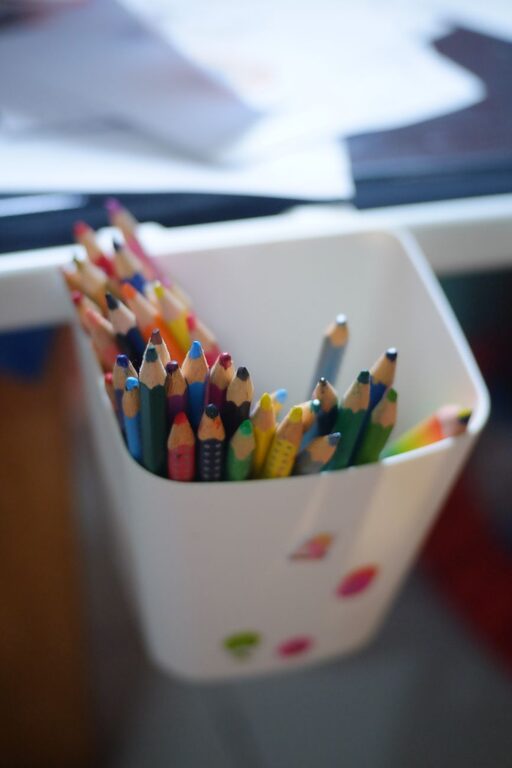
Children’s artwork is a wonderful expression of their creativity and imagination. From colorful paintings to handmade crafts, each piece holds sentimental value. However, as the artwork piles up, it can quickly lead to clutter and disorganization. Keeping kids’ art organized in a practical and enjoyable way not only preserves those memories but also helps create a tidy and inspiring environment. Here are some friendly, easy-to-implement tips for managing and organizing your children’s artwork.
Why Organize Kids’ Art?
Before diving into tips, it’s important to understand the benefits of organizing kids’ art:
– Preserves Memories: Artwork is a snapshot of your child’s growth and creativity.
– Reduces Clutter: Keeps your home neat and prevents piles of paper from taking over.
– Boosts Creativity: A well-organized space encourages children to create more.
– Teaches Responsibility: Involving kids in organization teaches them to care for their belongings.
1. Create a Designated Art Space
Set Up an Art Station
Having a dedicated area for art projects helps contain supplies and finished pieces in one place. This space can be as simple as a corner of a room with a small table, storage bins, and display boards.
Use Wall Displays
Hang a corkboard, wire with clips, or magnetic strips where kids can easily showcase their latest creations. This gives a rotating gallery feel and lets the kids take pride in their work.
2. Sort and Categorize Artwork Regularly
Establish “Keep,” “Recycle,” and “Gift” Bins
Help your child sort new artwork into categories. Decide together which pieces to keep, which can be recycled, and which make good gifts for relatives or friends.
Use a System That Works for You
You might sort by date, type of art (painting, drawing, 3D crafts), or by child if you have multiple kids. Whatever system you choose, consistency is key.
3. Use Portfolios or Art Folders
Invest in Archival Portfolios
Large, flat portfolios are great for storing artwork without folding or damaging it. Label portfolios by year or child to keep everything organized.
DIY Art Folders
Create personalized folders using large envelopes or plastic sleeves. Kids can decorate their own folders to feel more ownership over their art.
4. Digitize Artwork to Save Space
Take Photos of Each Piece
Photograph or scan artwork and save it digitally. This method drastically reduces physical storage needs.
Create Digital Albums or Slideshows
Organize digital images into folders on your computer or photo apps. You can also make printed photo books as keepsakes.
5. Display Select Pieces Creatively
Rotate Artwork Displays
Change the art displayed in frames or on walls regularly to keep the home environment fresh and celebrate new creations.
Make Functional Art Items
Turn artwork into placemats, greeting cards, or even custom calendars. These practical uses help the art stay visible and appreciated.
6. Use Storage Solutions that Fit Your Home
Clear Plastic Bins
Stackable clear bins let you see the contents at a glance. Label each bin by child or year for easy access.
Hanging File Systems
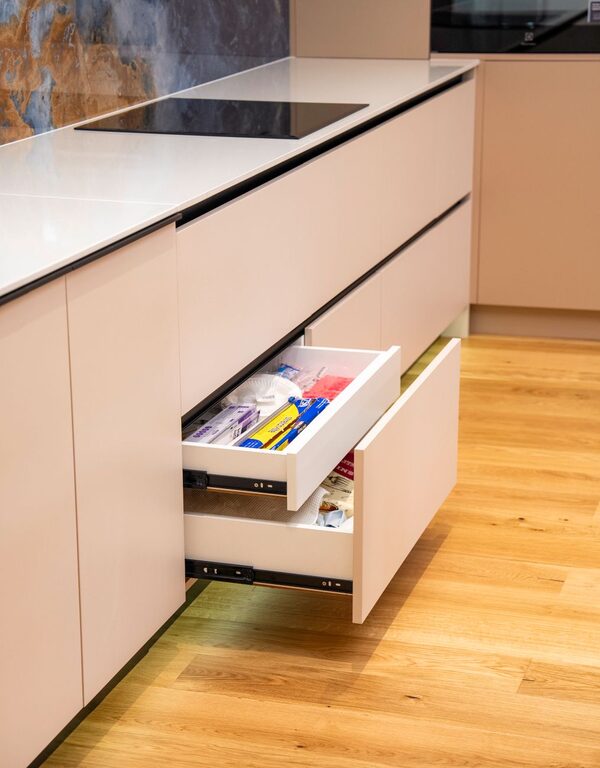
If you have limited space, hanging file folders inside a drawer or portable file box keep art organized and flat.
Repurposed Furniture
Use shelves, cubbies, or an old filing cabinet to organize art supplies and artwork in one convenient place.
7. Involve Your Children in the Organization Process
Make It a Fun Activity
Turn sorting and organizing into a game or creative project like decorating storage boxes.
Teach Decision-Making Skills
Encourage kids to choose favorite pieces thoughtfully, helping them develop organization and prioritization skills.
Celebrate Their Efforts
Praise your child for helping keep their art tidy, reinforcing positive habits.
8. Regularly Declutter and Update
Set a Schedule
Every few months, review the collection and decide what to keep or recycle. This keeps the collection manageable.
Create a Memory Box
For truly special pieces, keep a small memory box for each child that stores important or sentimental items long-term.
—
Final Thoughts
Organizing kids’ artwork doesn’t have to be overwhelming. By setting up a dedicated space, creating simple sorting systems, digitizing pieces, and involving your children, you can keep your home clutter-free while honoring their creativity. Remember, the goal is to find a balance between preserving memories and maintaining order. With these tips, your child’s art can be a joyful part of your home’s decor and memories for years to come.
About the Author