Creating simple routines to start and end your workday can make a significant difference in how productive and balanced you feel throughout the day. When you have clear habits in place, it’s easier to focus on your tasks, reduce stress, and maintain separation between work and personal time. In this post, we’ll explore straightforward routines that anyone can adopt to begin and wrap up their working hours effectively.
Why Routines Matter
Routines set the tone for your day and help you transition smoothly between activities. A consistent start routine primes your mind to focus, while an end routine helps you wind down, review accomplishments, and prepare for the next day. This structure can improve time management, reduce decision fatigue, and foster a healthier balance between work and life.
—
Simple Morning Routines to Kick Off Your Workday
1. Prepare the Night Before
A successful morning often starts the evening prior. Spend a few minutes before bed organizing your workspace, planning your tasks, and setting priorities. This reduces morning stress and helps you begin your day with clarity.
2. Wake Up with Intention
Start your day with purpose by setting a consistent wake-up time. Avoid screens for the first few minutes and spend time stretching, breathing deeply, or meditating to center yourself.
3. Eat a Healthy Breakfast
Fuel your body with a nutritious breakfast to maintain energy and focus. Include proteins, whole grains, and fruits or vegetables for balanced nutrition.
4. Set Your Top 3 Priorities
Before diving into emails or tasks, identify your three most important goals for the day. This keeps you focused on what truly matters rather than getting sidetracked.
5. Create a Quick Review Ritual
Spend 5–10 minutes reviewing your calendar and to-do list. Confirm meetings, deadlines, and any adjustments needed to your plan.
6. Start with a Small Task
Ease into work by accomplishing a small, manageable task first. Success early in the day can boost motivation and momentum.
—
Effective End-of-Day Routines to Close Out Work
1. Set a Clear Stopping Time
Determine a fixed time to end your workday. Avoid extending work beyond this time to protect your personal life and reduce burnout.
2. Organize Your Workspace
Spend a few minutes tidying your desk and organizing your digital files. A clean workspace helps you start fresh the next day.
3. Review Achievements and Pending Tasks
Reflect on what you accomplished during the day and update your to-do list. Note any incomplete tasks to prioritize tomorrow.
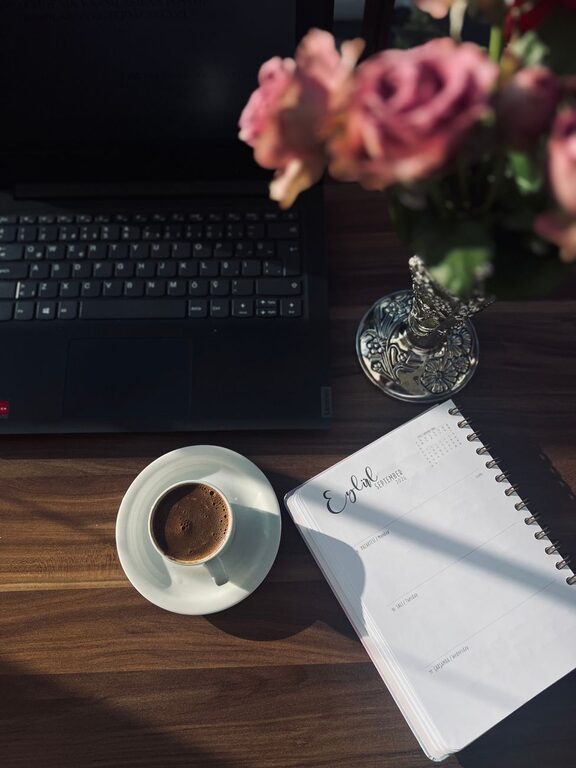
4. Plan for Tomorrow
Write down your main goals and any appointments for the next day. This helps you hit the ground running in the morning.
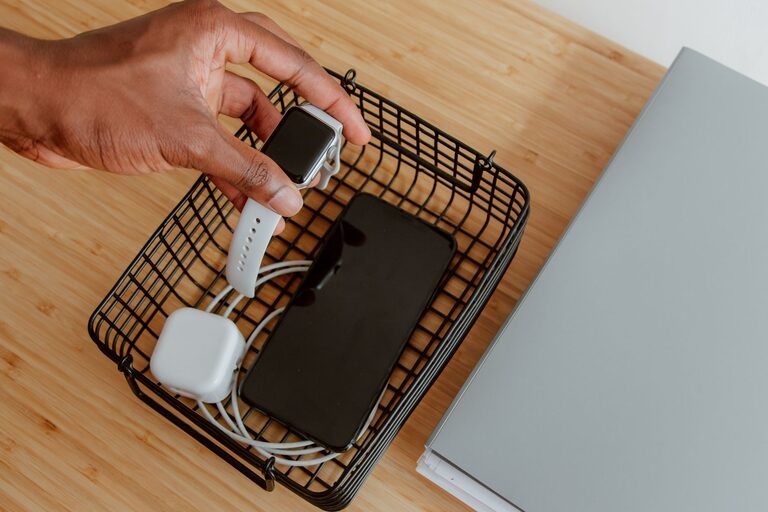
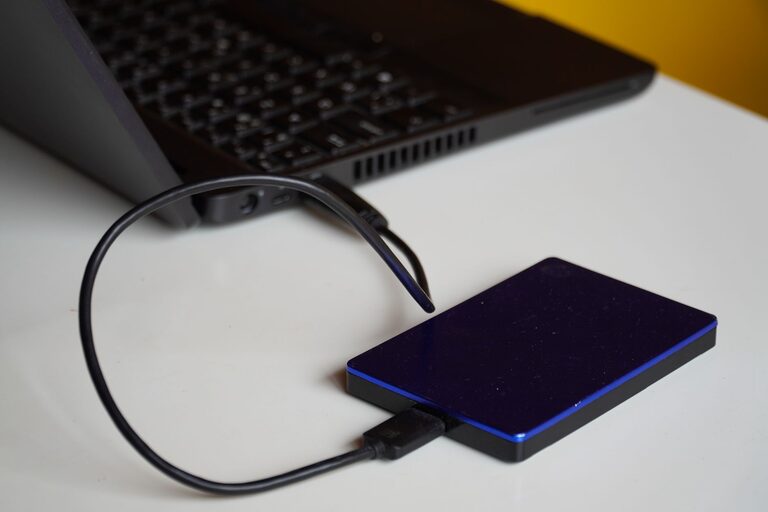
5. Shut Down Devices
Close work-related apps and shut down your computer or laptop. Disconnecting helps signal the end of work and allows your mind to relax.
6. Transition to Relaxation
After work, engage in an activity that helps you unwind, such as taking a walk, reading, or spending time with family or friends.
—
Tips for Maintaining Your Routines
– Be Consistent: Try to stick to your routines daily to build a habit.
– Stay Flexible: Allow adjustments when necessary, especially on busy or unusual days.
– Limit Distractions: Keep your workspace free from interruptions during your start and end rituals.
– Use Reminders: Set alarms or notifications to prompt you to begin or close your workday routines.
– Reflect and Adjust: Periodically review your routines to see what works and what might need tweaking.
—
Benefits of Simple Workday Routines
– Improved Focus: Clear starts reduce procrastination.
– Better Time Management: Prioritizing tasks prevents overwhelm.
– Reduced Stress: Planning ahead decreases last-minute pressure.
– Enhanced Work-Life Balance: Defined boundaries help separate work from personal time.
– Increased Productivity: Consistency builds momentum and motivation.
—
Incorporating these simple routines into your workday can take some effort initially but will pay off in increased productivity and well-being. Start small, be patient with yourself, and tailor your routines to what feels best for you. Over time, these habits will become second nature, helping you approach each workday with confidence and ease.
About the Author